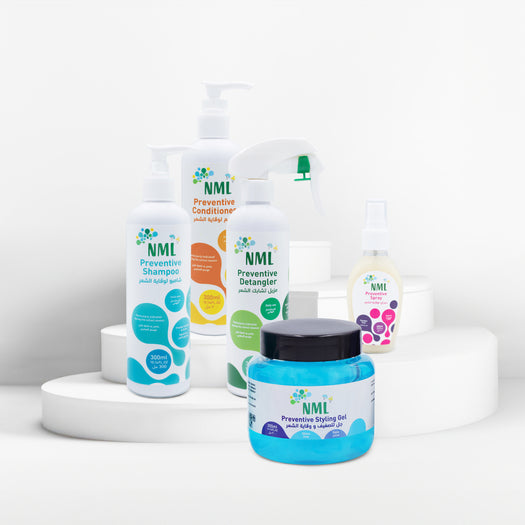
Selecting a head lice shampoo from the pharmacy shelf can feel confusing with all the scientific names printed on every bottle. Parents want a solution that works effectively without exposing their children to unnecessary chemicals during an already stressful situation. This guide breaks down exactly what each active ingredient does inside a standard hair lice shampoo.
Active ingredients that kill lice:
The primary killers in any anti-lice product are the active compounds designed to attack the nervous system of these tiny pests. These chemicals interfere with the normal nerve function of the louse, causing paralysis and eventual death. Each active ingredient has a specific mode of action, and some work faster than others. Knowing which one is present helps in selecting a product that matches the specific infestation level.
Natural extracts and their role:
Many shampoos now include plant-based oils like neem, tea tree, or eucalyptus as supplementary components. These natural extracts serve as repellents and can suffocate lice by coating their breathing pores. While they offer a gentler approach, their effectiveness varies based on concentration and formulation. Natural ingredients work best when combined with a proven synthetic killer for comprehensive coverage.
Silicone-based formulas:
Dimethicone and other silicones have gained popularity because they physically smother lice and their eggs without using traditional pesticides. These substances create a thick layer over the louse, blocking air exchange and causing dehydration. Silicone formulas are odorless and non-toxic to humans, making them suitable for children with sensitive scalps. They require thorough application and sufficient contact time to achieve maximum efficacy.
Pesticide resistance concerns:
Some active ingredients no longer work as effectively due to widespread resistance developed over decades of use. Pyrethrins and permethrin fall into this category, with many lice populations showing reduced sensitivity to these chemicals. Checking local resistance patterns before purchase saves time and frustration. Newer compounds like spinosad offer an alternative for areas with high resistance rates.
Egg penetration capability:
A shampoo’s ability to kill nits or eggs determines its overall success rate in breaking the infestation cycle. Some products contain ingredients that dissolve the glue holding eggs to the hair shaft for easier removal. Others include ovicidal compounds that poison the developing embryo inside the shell. Products claiming to kill both lice and eggs reduce the need for repeat applications.